Page 67 of 185

Favourite Book Covers of 2020

These are my favourite covers of the books that I have read over the course of 2020. They are in no particular order, but the one at the bottom is my cover of the year. The way I see it, the cover of the book has one job only and that is to be catching or attractive enough to make me want to pause, pick them up and then make me want to read it. In my opinion, all of these covers do that.


And my favourite cover is Wanderland


January 2021 TBR

Another year passes and I have small hopes for this one… Thankfully though there are books. New books and old books that I have yet to read. So without further ado, here is my TBR for the coming month

Finishing Off
Lotharingia – Simon Winder
Time Among the Maya – Ronald Wright
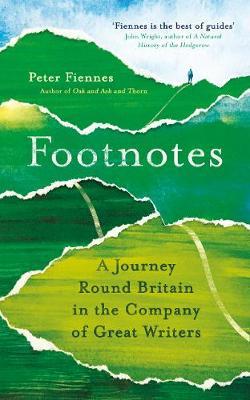
Footnotes – Peter Fiennes
A Tomb With A View – Peter Ross
Invisible Women – Caroline Criado-Perez

Blog Tour
On Borrowed Time – Graeme Hall
Enough – Dr Cassandra Coburn

Review Copies
The Gardens of Mars – John Gimlette
How Britain Ends – Gavin Esler
Thin Places – Kerri ní Dochartaigh
American Dirt – Jeanie Cummins
Rotherweird – Andrew Caldecot
Wyntertide – Andrew Caldecot
Behind the Enigma – John Ferris
The Germans and Europe – Peter Millar
Saving the World – Women – Paola Diana

Library Books
On The Marsh – Simon Barnes
Another Fine Mess – Tim Moore

Challenge Books
Mirrors of the Unseen – Jason Elliot
The Marsh Arabs – Wilfred Theisger
Travels With Myself And Another: Five Journeys From Hell – Martha Gellhorn
In Search of Conrad – Gavin Young
Use of Weapons – Iain M. Banks
Letters – Saul Bellow
Seveneves – Neal Stephenson

Poetry
The Martian Regress – J.O. Morgan
Postcolonial Love Poem – Natalie Diaz

Science Fiction
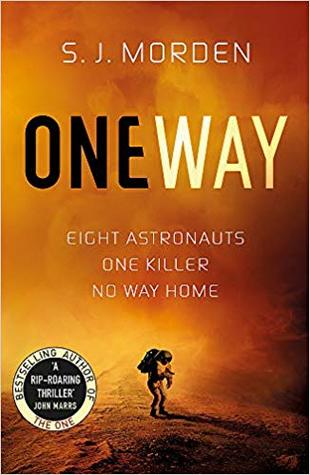
One Way – S.J. Morden

There are a few that have been on here before, but I am hoping to up my monthly total to crack through them

2021 Reading Intentions

The only New Year’s resolution that I have ever kept was the one where I vowed never to make another New Years resolution. These are therefore things that I plan to do in term of reading over the coming twelve months but are not hard or fast resolutions. I enjoy reading and I fear if it becomes too much of a chore or job then I’d stop. This fantastic Tom Gauld Cartoon sums it up for me.


My Own Books

I think this year I have bought in excess of 60 books, not sure exactly how many as I stopped counting then. So my note to myself from last year (try not to buy so many books) didn’t really get listened to… I did get given a first edition Lord of the Rings set and found a signed Margaret Durrell which I am quite pleased about. I have bought one new bookshelf and I am about to order another with some of my Christmas money. I realise that I have a lot of books that I want to read but not necessarily want to keep, so what I have decided to do with these books is to read them and pass on or back to charity shops or to my local secondhand bookshop. The aim of this is to free up some much-needed space!


Review Copies

I have managed to keep on top of my 2020 review copies, but have not really made any inroads into the massive backlog that I have acquired that goes back to 2018! I think there are around 93 review books that I need to read that still take up two shelves on the bookcase behind where I sit. I will be working my way through these as fast as I can and where I have been sent books to read that I hadn’t requested I will be passing them on or donating them to the library.


Library Books

My local library (Wimborne) has been fantastic during the most recent lockdown. They couldn’t open but were running a click and collect service. Yes, I still have too many library books out, and will still keep getting them out too, one of the factors that libraries are measured by is book issues so I like to feel that I am doing my part. I am fortunate that I have two library cards, what I intend to do is to get them down to a point where all my library books fit on one shelf on the bookcase in the lounge.


Female and BAME Authors

In 2020, 31% of my reading was by female authors. I was lower than I wanted, but intend to read at least 35% this coming year. I read 12 books by BAME authors this year and want to read at least one book a month next year too.


Poetry

Last year I managed to read two poetry books a month in 2020. I am aiming to continue this in 2021


Literary Awards

Having failed to do some or all of these last year I will be aiming to read all of these again

Edward Stanford Travel Writing Awards (much shorter prize this year because of Stanford’s financial woes and the lack of travel)

Wainwright

Royal Society

Baillie Gifford

Arthur C Clarke


The World From My Armchair Challenge

I have read a further 20 books now for this from the countries listed below.

Bolivia
Brazil
Bulgaria
Cuba
Cyprus
Fiji
Greece
Kiribati
Latvia
Macedonia
Malaysia
Myanmar
Nepal
Slovakia
Somalia
Syrian Arab Republic
Timor-Leste
Turkey
Ukraine
Uzbekistan

I did spectacularly fail to read my #20BooksOf Summer which was all books for this; only managed half of them. I will be reading my way through the rest in the early part of this year. I have now read books about or passing through 64 countries and seas out of a total of 215 so far.


Discworld

Managed four more from the Discworld series this year, but these are still to go:

I Shall Wear Midnight

Snuff

Raising Steam

The Shepherd’s Crown

I am also intending on reading his Bromeliad series after I have finished Discworld


Science Fiction

Only read seven science fiction books this year which I am ashamed of really as I had high hopes of getting more than that read. Aiming to read at least one book a month again.


Blogging

I have always been a reader first and foremost and I get immense pleasure from reading and talking about books. It was reading that introduced me to NB magazine and the blog came off the back of that. I am still going to continue with the blog, mostly because of the friendships that I have got from it. It will still be all about the books though, but not exclusively about the shiny new books. I am still happy to receive a book for review if a publisher or publicist still wishes to send them to me and will only be requesting books that I really want to read so I can work my way through my backlog.


So there we have it, broadly the same as last year, with a few tweaks here and there.


What are your reading intentions?

So How Did My 2020 Reading Intentions Go?

I have been reviewing what I wrote for my 2020 reading intentions and seeing what I actually did compared to what I wanted to do.

My Own Books
Sarah has said again that I have too many books piled up (Tsundoko) around the house. (Note to self, try not to buy so many books). Did manage to read 25 of my own books, but that isn’t enough. That said, I am allowed to get some more bookshelves! So that is a new year project to sort that all of that out and unhaul some books. I am looking forward to having all my Little Toller and Eland books together in one place too!

Even though bookshops and charity shops were shut for a sizable portion of the years in the various lockdowns, I have bought far too many books this year and the piles of books around the house have not diminished at all. I have bought one more bookshelf and that is mostly full. I am just about to buy another from Shelfstore as I thought the first was very good. In the end, I read 58 of my own books this year, many more than last year.

Review Copies
According to my spreadsheet, I have 124 outstanding review copies to read. Even though there is a lot of books on the two shelves that I have for them, I’m not sure if this is right as I counted way less than that on the shelf!!! I am grateful for every book I receive through the post from publishers, so thank you to you all. I fully intend to read and review as many of those as possible as soon as I can, but also see the blogging post below.

I have read 94 review books this year and whilst the outstanding total has dropped to 93, I am slightly embarrassed to still have review books from 2018 to read and review still. I have tried to keep on top of the books that I was sent or requested in 2020 and only have three outstanding.

Library Books
As I said last year, these places are a precious resource. Sadly, our present government seems hell-bent on eradicating them from our cities, towns and villages. I still have too many library books out, and will still keep getting them out too. The author gets a small amount every time a book of theirs is borrowed and for the reader, most books are free or have a nominal reservation fee. I am fortunate that I have two library cards, and I am going to try not to max each one out…

I read 42 library books this year and still have maxed out cards. Some things never change.

Female and BAME Authors
In 2018, 35% of my reading was by female authors. Had intended to raise that for 2019, but have dropped back to 33%. So will be aiming for 40% in 2020. I want around 5% of my reading to be BAME authors too.

Sadly I only managed to read 31% of female authors this year. I did manage to read 12 BAME authors too which I am pleased about.

Poetry
Last year I managed to read a poetry book each and every month and sometimes read more than one. I like poetry, even though I don’t always get it, so am going to try to read around two books a month in 2020.

I am pleased to say that I have read two poetry books each month and mostly I have enjoyed them. I do find them difficult to review though, I can’t seem to be able to get the deeper meaning that some reviewers can find.

Literary Awards
Will be aiming to read all of these again (Next year I might get to the Baillie Gifford list as I didn’t this year)

Edward Stanford Travel Writing Awards (I am judging the Adventure Travel next year)
Wainwright
Royal Society
Baillie Gifford
Arthur C Clarke

Did really poorly on these awards this year. It is the first year that I have not read the longlist for the Wainwright, but I do have the books so will be finishing off the three outstanding before the 2021 prize is announced. I had read one of the Royal Society and have Bill Bryson’s to read at some point. I had read one of the longlisted books for the Baillie Gifford but have not gt to any of the others. Not likely to read the winner though as I am not a fan of the Beatles.

The World From My Armchair Challenge
Managed to read 13 more books for this long term challenge bringing my total read so far to 44. I have been acquiring books for it though, and have a further 41 books on various bookshelves scattered around the house to read for other countries. I am still looking for travel books (or non-fiction) that are set in or pass through these countries, below. So if you know any, please do let me know.

Antigua and Barbuda
Brunei Darussalam
Capo Verde
Central African Republic
Chad
Dominica
Gambia
Grenada
Kuwait
Micronesia
Persian Gulf
Saint Kitts and Nevis
Saint Vincent and the Grenadines
Sao Tome and Principe
Seychelles
Swaziland
Timor-Leste
Trinidad and Tobago
Uruguay
Balearic Sea
Ligurian Sea
Alboran Sea

I managed to read 20 books towards this challenge in the end. And found (and bought) a lot more!

Discworld

Managed two more from the Discworld series, but these are still to go:
The Wee Free Men
A Hat Full of Sky
Unseen Academicals
I Shall Wear Midnight
Snuff
Raising Steam
The Shepherd’s Crown

Please feel free to pester me to remind me that need to keep reading them.

I read four more books in the Discworld series. Nearly there.

Science Fiction
Only read two (yes two) science fiction books this year which I am ashamed of really as I had high hopes of getting more than that read. Aiming to read at least one a month.

I managed to read seven in the end, five less than I wanted to. But an improvement on 2019.

Blogging
I have always been a reader first and foremost and I get immense pleasure from reading and talking about books. It was reading that introduced me to NB magazine and the blog came off the back of that. After a lot of thought, I have decided that I am going to change the way that I am blogging. I am going to still be reading and reviewing on here and Good Reads and so on, but will be drastically reducing the number of review copies that I request as I can’t keep up. I am still happy to receive a book if a publisher or publicist still wishes to send them to me, but will not guarantee when I will get to read it. Instead, I have decided that I will either get the newly released books in 2020 from the library or buy them myself to read as and when I can. I will still take part in Blog Tours, but only a maximum of once a month as I don’t always like reading to a deadline.

Overall I am happy with how I did this year, but there were some disappointments too! All of the above still applies. I ended up doing more blog tours than I intended and have two lined up for January too!

Democracy For Sale by Peter Geoghegan

4 out of 5 stars

A copy of this was provided free of charge from the publisher in return for an honest review.

We are living in an uncertain world at the moment, the coronavirus pandemic has changed people’s and governments priorities, then there is the impending climate change crisis that hasn’t gone away and here in the UK, we are almost about to embark on the disaster that is Brexit.

On top of that, we seem to have gained politicians who are even more shady and corrupt than usual, they have always lied, but the current crop seems to be telling massive ones nowsdays that are shouted into the echo chamber that is social media. They seem to be more grubby too, not only is nepotism and cronyism rife in our present government, but the people that back them crave secrecy and avoid the transparency that comes with knowing where the money comes from.

‘Many forms of Government have been tried and will be tried in this world of sin and woe. No one pretends that democracy is perfect or all-wise. Indeed it has been said that democracy is the worst form of Government except for all those other forms that have been tried from time to time.’ Winston S Churchill, 11 November 1947

Peter Geoghegan has been tracing this dark money to its sources and his findings are very worrying. There has been a massive concentration of wealth and power in the past 50 years and those that are donating their cash to political parties expect and demand certain things for their money. Their demands are starting to break our antiquated democratic systems, the fines that are supposed to keep things honest, are paltry compared to the sums sloshing around.

He begins with the LeaveEU organisation and unpicks the way that they used social media and vast sums of money to win the referendum and this theme carries on into the second chapter about the Bad Boys of Brexit and the third on the DUP and how they ended up with nearly half a million pounds to spend on the Brexit campaign from an unknown source.

The next chapter is about the European Research Group (ERG) who are a very right-wing section of the Tory party who sadly now seems to be in charge of things. He explains just how they are using the expenses system in parliament for us to effectively fund them. A lot of the money and influence on British politics at the moment is coming from America. Most of it is coming from hard right-wing individuals including Christian organisations who are funding populist and far-right groups all over Europe.

“Ankh-Morpork had dallied with many forms of government and had ended up with that form of democracy known as One Man, One Vote. The Patrician was the Man; he had the Vote.” ― Terry Pratchett, Mort

This book makes for grim reading. That is not to take anything away from Geoghegan’s research and writing, which is a diligent, brilliant guide through a shadowy world of dark money and digital disinformation stretching from Westminster to Washington, and far beyond. Follow the money is always the maxim, but in most of these cases, it always disappears into some sort of black hole. The main problem is that those that have benefited from our deeply flawed democracy have a vested interest in ensuring that it is still kept as it is. He does make some suggestions on how to start fixing the democratic system, but you need politicians in place that want to embrace that change; the present government has no desire to change, as it is highly likely that it would mean that they could be a generation out of power. It will either make you furious or despondent but should be counted as essential reading.

Anticipated Books for 2021

I have been through all of the 2021 publishers catalogues that could lay my hands on (21 so far and still a few missing too). I have extracted all the books that I really like the look of. Most are non-fiction, as you have probably come to expect by now, but there are a smattering of fiction, sci-fi and the odd poetry in there.

Allen Lane
Mission Economy – Mariana Mazzucato
Math Without Numbers – Milo Beckman
Finding the Mother Tree – Suzanne Simard
Worn – Sofi Thanhauser
Ice Rivers – Jemma Wadham
Shape – Jordan Ellenberg

Bloomsbury
Male Tears – Benjamin Myers
A Still Life – Josie George
The Unreasonable Virtue of Fly Fishing – Mark Kurlansky
The Glitter in the Green – Jon Dunn
When America Stopped Being Great – Nick Bryant
I Belong Here – Anita Sethi
About Britain – Tim Cole
Kintsugi – Bonnie Kemske
Shedding the Shackles – Lynne Stein
Cuba – Mike Gonzalez
Going Dark – Julia Ebner
The Trick – William Leith
Sardinia – Edward Burman
Tangier – Richard Hamilton
Handmade – Anna Ploszajski
The Brilliant Abyss – Helen Scales
Much Ado About Mothing – James Lowen
Forecast – Joe Shute
Heathland – Clive Chatters
Treasured Islands – Peter Naldrett

Bodley Head
Under A White Sky – Elizabeth Kolbert
A Most Remarkable Creature – Jonathan Meiburg
The Day The World Stops Shopping – J. B. MacKinnon

British Library
The Book Lover’s Bucket List – Caroline Taggart
Spaceworlds – Edited by Mike Ashley
Future Crimes – Edited by Mike Ashley

Canongate
Thin Places – Kerri ní Dochartaigh
The Secret History of Here – Alistair Moffat

Chatto & Windus
Heavy Light – Horatio Clare
Snakes And Ladders – Selina Todd
Letters To Camondo – Edmund de Waal

Eland
Borderlines – Charles Nicholl
Somebody Else – Charles Nicholl
Letters from Egypt – Lucie Duff Gordon
The Turkish Embassy Letters – Mary Wortley Montagu
Three Cities of Morocco – Jerome and Louis Tharaud

Elliott & Thompson
The Future of You – Tracey Follows
Earthed A Memoir – Rebecca Schiller
The Pay Off – Gottfried Leibbrandt and Natasha De Terán
Lobby Life – Carole Walker
Beside the Seaside – Ian Walker

Faber & Faber
Britain Alone – Philip Stephens

Gollancz
What Abigail Did That Summer – Ben Aaronovitch

Harvill Secker
Seed to Dust – Marc Hamer
99 Green Maps To Change The World –

Head of Zeus
Languages Are Good For Us – Sophie Hardach
Voyagers – Nicholas Thomas
The Gardens of Mars Madagascar – John Gimlette
How Britain Ends English Nationalism and the Rebirth of Four Nations – Gavin Esler
The Physics of Climate Change – Lawrence Krauss
The Wild Isles – Patrick Barkham (ed.)

Headline
The Circling Sky – Neil Ansell

Icon Books
Once Upon a Time I Lived on Mars – Kate Greene
Shearwater – Roger Morgan-Grenville
Sealand – Dylan Taylor-Lehman
Imperial Mud – James Boyce
Half Lives – Lucy Jane Santos

John Murray
Hot Stew – Fiona Mozley
Extraterrestrial – Avi Loeb
Futureproof – Kevin Roose
Super Senses – Emma Young
The Hunt For Mount Everest – Craig Storti
Outlandish – Nick Hunt
Checkmate In Berlin – Giles Milton
A Length Of Road – Robert Hamberger

Jonathan Ball
Hitler’S Spies – Evert Kleynhans

Jonathan Cape
Ransom – Michael Symmons Roberts
Waypoints – Robert Martineau

Little Toller

They are planning on releasing ten books in 2021, I have only been told about these so far:

Swifts – Charles Foster
Long Field – Pamela Petro
Millstone Grit

Michael Joseph
A Walk from the Wild Edge – Jake Tyler
A History of What Comes Next – Sylvain Neuvel
Peter 2.0 – Peter Scott-Morgan
A New History of Britain – Philip Parker
Latitude – Nick Crane
12 Birds to Save Your Life – Charlie Corbett

Oneworld
Weirdest Maths At the Frontiers of Reason – David Darling and Agnijo Banerjee
Why You Won’t Get Rich – Robert Verkaik
Some Assembly Required – Neil Shubin
The Art of Patience – Sylvain Tesson, Tr. Frank Wynne
Social Warming – Charles Arthur
The Last Stargazers – Emily Levesque

Pan Macmillan
Hunter Killer Spy – James E Mack

Particular Books
Slow Rise – Robert Penn
Birdsong in a Time of Silence – Steven Lovatt
Lev’s Violin – Helena Attlee

Picador
The Quiet Americans – Scott Anderson
The System – Robert B. Reich
The Book Collectors of Daraya – Delphine Minoui
A World on the Wing – Scott Weidensaul
The Stone Age – Jen Hadfield
The Book of Difficult Fruit – Kate Lebo
Revolt – Nadav Eyal
Everybody – Olivia Laing
A Place For Everything – Judith Flanders
Wayfinding – Michael Bond

Profile Books
Notes From Deep Time – Helen Gordon
Field Work – Bella Bathurst
The Greywacke – Nick Davidson
Mountain Tales – Saumya Roy
How to Spend a Trillion Dollars – Rowan Hooper

Quercus
Sad Songs – Laura Barton
A history of the universe in 100 stars – Florian Freistetter
The Plant Hunter’s Atlas – Ambra Edwards

Reaktion Books
An Inky Business – Matthew J. Shaw
Nature Fast and Nature Slow – Nicholas P. Money
Ash – Edward Parker
Cherry – Constance L. Kirker and Mary Newman

Sandstone Press
The Actuality – Paul Braddon
The Weekend Fix – Craig Weldon

Saraband
Westering – Laurence Mitchell
The Mahogany Pod – Jill Hopper

Scribe Books
The Ghost in the Garden – Jude Piesse
The Rare Metals War – Guillaume Pitron
Waters of the World – Sarah Dry

September Publishing
Two Lights – James Roberts

Serpent’s Tail
The Disconnect – Roisin Kiberd

Square Peg
Gardening For Bumblebees – Dave Goulson

Transworld
The Wild Track – Margaret Reynolds
Red Line – Joby Warrick
Elegy For a River – Tom Moorhouse
Woodston – John Lewis-Stempel
The Age of Unpeace – Mark Leonard
Taking on Gravity – Richard Browning
The Spy who was left out in the Cold – Tim Tate

Two Roads
Back To nature – Chris Packham & Megan McCubbin
The Lip – Charlie Carroll
Windswept – Annabel Abbs

W&N
Kim and Jim – Michael Holzman
The Life Scientific – Anna Buckley
How to Read Numbers – Tom Chivers and David Chivers

White Rabbit
The Foghorn’s Lament – Jennifer Lucy Allan

NEW ADDITIONS:

Salt Publishing

White Spines – Nicholas Royle


Duckworth

Deeper Into The Wood        Ruth Pavey


Chelsea Green

From What Is to What If – Rob Hopkins

Barn Club – Robert Somerville

Wild Nights Out – Chris Salisbury


William Collins

The Black Ridge – Simon Ingram

Islands of Abandonment – Cal Flyn

Land – Simon Winchester

River Kings – Cat Jarman

The Wood Age – Roland Ennos

A Curious Boy – Richard Fortey

The Fragile Earth – Ed. David Remnick & Henry Finder

Restoring the Wild – Roy Dennis

Einstein’s Fridge – Paul Sen

Truth is Beautiful – David McCandless

Beak, Tooth and Claw – Mary Colwell

Swifts and Us – Sarah Gibson

Bat, Ball and Field – Jon Hotten

Noise – Daniel Kahneman, Olivier Sibony & Cass R. Sunstein

Phosphorescence – Julia Baird

Mother of Invention – Katrine Marçal


4th Estate

What If We Stopped Pretending? – Jonathan Franzen

Sea State – Tabitha Lasley

Albert and the Whale – Philip Hoare

How to be Sad – Helen Russell

Hummingbird Salamander – Jeff VanderMeer

Thinking Better – Marcus du Sautoy


Granta

The Language of Thieves – Martin Puchner

Wars of the Interior – Joseph Zárate Tr Annie McDermott

Karachi Vice – Samira Shackle

Comic Timing – Holly Pester

Undreamed Shores – Frances Larson

Had I Known – Barbara Ehrenreich

The End of Bias – Jessica Nordell

Comrade Aeon’s Field – Emma Larkin


Any that take you fancy? And are there any that you know about that you think that I should know too?

The Maths of Life and Death by Kit Yates

4 out of 5 stars

A copy of this was provided free of charge from the publisher in return for an honest review.

For most people, the thought of reading a maths book is not even something that they would ever consider. They had been put off maths at school and almost certainly have never done anything other than added a few numbers up or split a bill in a restaurant (when we could go to them). But in this modern world maths is the foundation of our modern society.

Every time you are online, you are using prime numbers to make secure transactions, we use AI in our phones and home to find and recommend music and lots of other things and we mustn’t forget the power that algorithms have over our lives that never seems to diminish. Over the past year, numbers have been a feature of our life as the pandemic has spread like wildfire across the world. We see the charts and graphs rising with the horrific death toll.

How this figure rises is covered in the first of the seven chapters of this book, exponential numbers. In here he looks at real-life examples of numbers that grow in the way from nuclear explosions to bank interest. The second chapter is all about risk as he begins with an email about his DNA after a genetic test with a particular emphasis on calculating medical odds and a lot on false positives and how to understand results.

The phrase, there are lies, damned lies and statistics is so very true. They are banded about a lot on the news by people who frankly have no place in repeating them nor have the first clue as to the statistic being quoted in a lot of instances. Thankfully Yates is her to clear the muddied waters in his Chapter, Don’t Believe The Truth. He starts with the birthday problem, which is how few people do you need in a room before you will find two people with matching birthdays. Discounting twins, the real answer is much less than people expect. He debunks statistics that papers use but explaining that you need context to understand increases in numbers, not just a percentage.

The next chapter talks about errors and how people can make simple errors when converting from one number system to another, i.e. imperial to metric, as well as making mistakes when miscalculating dosages and increasing them by tenfold. Maths ignorance is ripe for errors to be made and they can be life-threatening too. The penultimate chapter is on that modern joy, the algorithm. In here, Yates, explains how they do have their uses, i.e. by working out the best delivery routes and how some books on Amazon are priced in the millions of dollars because of an over-enthusiastic algorithm. The final chapter is all about disease. Cheerful stuff, I know, but maths can be used to model outbreaks and there is the clearest explanation of the R number I have read.

Bearing in mind this was written in 2019 before the coronavirus outbreak this is still quite a prescient book. For those that get break out in a sweat when they read x = 2y, they will be pleased to hear that there are no equations in the book. There is the occasional graph and all the way through there are clear diagrams and explanations as to what is going on and why it is happening in a particular way. It can sometimes be grim, but it is an endlessly fascinating book.

Nine Pints by Rose George

4 out of 5 stars

I gave my first pint of blood at the age of 18. There were two reasons for doing so, I had just started riding a motorcycle and thought I would make a moral deposit just in case and the other reason was that I could get 45 minutes off as they came to my workplace. I have given fifty pints before stopping for a variety of reasons. Several armfuls, in the words of Hancock.

Blood is the stuff of life. We have around nine pints of it flowing endlessly and continuously around our bodies for our entire life. It carries our immune system, oxygen and waste products around the body and yet for some people the very sight of it outside our skin can make them faint.

Removing blood from bodies to cure has been going on for centuries, doctors would think nothing of bloodletting people in the vain hope of finding a cure. A more repulsive way of removing blood is by using leeches, something that I thought had stopped ages ago, but they are still in use by medical professionals today. Her first visit on this bloody tour is to a leech farm in Wales where she meets the man breeding them for use today. It turns out that they are pretty much essential is operations where body parts have been reattached, if the microsurgeon is having trouble with the veins then he will use a leech; the way that they draw blood through to the reattached helps decongest veins.

George head back to her Oxford College, Sommerville to discover more about Dame Janet Maria Vaughan. It was because of her that blood transfusion, that removal of blood from someone else and passing it onto another person with the hope of saving their life became a standard practice. As well as giving life, infected blood can make the recipient of the donation ill. To see how it affects people she heads to the township of Khayelitsha in South Africa. She is there to try to understand why being a young black woman in Africa is a death sentence. The killer here is HIV and at the time the book was written South Africa had increasing rates of infection.

One of the more useful parts of blood is plasma. Unlike blood where a match in blood groups is needed it can be transferred between any two people. This makes it very useful and because of that, it gives it a high a value. In the UK we do not get paid for donations, this is considered the gold standard, but elsewhere money is offered for donations of blood and plasma. It is found that those that donate this way are sometimes less than truthful about their past medical and sexual history. There are lots of haemophiliacs who were passed infected plasma and now carry with them HIV. It is quite a scandal and it has really been brushed under the table.
Each and every month women menstruate. Even though there are TV adverts for various products for women in the UK, it is a taboo subject. In other parts of the world, women who are menstruating are banned from participating in normal family life and are seen as unclean until it has passed. She meets Arunachalam Muruganantham in India who saw what was happening to women at that time of the month and has developed a really cheap pad that women of all castes there can afford to buy.

There are lots of other things that George talks about in this very readable and endlessly fascinating book. Not only is it well written, but it comes across as well researched without feeling dry and academic. Quite a sizable chunk on menstrual blood – which is good, this subject should not remain hidden and shameful. If you like reading non-fiction books that explore subjects that you wouldn’t normally consider, then this, like her book, Deep Sea and Foreign Going about the container shipping industry, then this might be for you.

The Germans and Europe by Peter Millar

Welcome to Halfman, Halfbook and my stop on the blog tour for The Germans and Europe by Peter Millar and published by Arcadia Books.


About the book

Based on a lifetime living in and reporting on Germany and Central Europe, award-winning journalist and author Peter Millar tackles the fascinating and complex story of the people at the heart of our continent.

Focussing on nine cities (only six of which are in the Germany of today) he takes us on a zigzag ride back through time via the fall of the Berlin Wall through the horrors of two world wars, the patchwork states of the Middle Ages, to the splendour of Charlemagne and the fall of Rome, with sideswipes at everything on the way, from Henry VIII to the Spanish Empire.

Included are mini portraits of aspects of German culture from sex and money to food and drink. Not just a book about Germany but about Europe as a whole and how we got where we are today, and where we might be tomorrow.


About the Author

Peter Millar is an award-winning British journalist, author and translator, and has been a correspondent for Reuters, Sunday Times and Sunday Telegraph. He was named Foreign Correspondent of the Year for his reporting on the dying stages of the Cold War, his account of which – 1989: The Berlin Wall, My Part in its Downfall – was named ‘best read’ by The Economist. An inveterate wanderer since his youth, Peter Millar grew up in Northern Ireland and studied at Magdalen College, Oxford. Before and during his university years, he hitchhiked and travelled by train throughout most of Europe, including behind the Iron Curtain to Moscow and Leningrad, as well as hitchhiking barefoot from Dubrovnik to Belfast after being robbed in the former Yugoslavia. He has had his eyelashes frozen in the coldest inhabited place on Earth – Oymyakon, eastern Siberia, where temperatures reach minus 71ºC, was fried at 48ºC in Turkmenistan, dipped his toes in the Mississippi, the Mekong and the Nile, the Dniepr and the Danube, the Rhine and the Rhone, the Seine and the Spree. He crisscrossed the USA by rail for his book All Gone To Look for America and rattled down the spine of Cuba for Slow Train to Guantanamo. He has lived and worked in Paris, Brussels, Berlin, Warsaw and Moscow, attended the funerals of two Soviet leaders, been blessed six times by Pope John Paul II (which would have his staunch Protestant ancestors spinning in their graves), and he has survived multiple visits to the Munich Oktoberfest and the enduring agony of supporting Charlton Athletic. Peter speaks French, German, Russian and Spanish, and is married with two grown-up sons. He splits his time between Oxfordshire and London, and anywhere else that will have him.

I have an Extract to share with you today:

Vienna

How one family nearly took over the world and lost Germany as a result

The Last Empress

One dark, wet, dreary afternoon in the spring of 1989, as the world we had known for more than four decades was begin- ning to fall apart, I attended a funeral in the heart of Vienna that marked the final death rattle of an even earlier epoch and was in its own way every bit as historic as the events about to rock Europe.
The funeral service was attended by 8,000, a further 20,000 braved the frightful weather to line the Vienna streets, and in the days beforehand some 200,000 had filed past the coffin. The mourners included princes of Belgium, Monaco, Morocco and Jordan.

The deceased was an old lady of 96, a widow for most of her long life, who had lived for many years in the clement climate of the Portuguese island of Madeira. Born to a Portuguese mother and an Italian father, she had been christened Zita Maria delle Grazie Adelgonda Micaela Raffaela Gabriela Giuseppina Antonia Luisa Agnese. The 17th child of the Duke of Parma, already dispossessed of his dukedom during the unification of Italy, she would grow up to become Empress of Austria, Queen of Hungary and of Bohemia, Dalmatia and Croatia, Grand Duchess of Cracow and Tuscany, and at least nominally, Queen of Jerusalem, before losing the man she loved, who had bestowed the titles on her.
Her future had seemed less imperial and ultimately less tragic, if grand enough, on her marriage to the Archduke Karl of Austria in 1911. It was only with the assassination of his uncle, the Archduke Franz Ferdinand in Sarajevo in 1914, that her husband became heir to the vast but crumbling Habsburg empire. In 1916, when the old emperor Franz Josef died, Karl inherited his multiple thrones. But in the midst of a war that was already going the wrong way he only managed one coronation ceremony, as King of Hungary, photographed for posterity with his wife at his side and their three-year-old, blond, curly-haired son Otto dressed in ermine between them. Two years later, the empire was no more; the imperial family, including their eight children, became refugees overnight, first in Switzerland before finding their way to Madeira in 1921. Karl died a year later, after contracting bronchitis while out buying toys for his children.
The weather on the day of the old empress’s funeral was foul, yet spectacularly suited to the macabre theatre of the event. During the service itself I sat in a hotel overlooking the Stephansdom, Vienna’s great 14th-century Gothic cathedral, with its soaring spire and extraordinary blue, white, yellow and green zigzag-tiled roof slick with rain. Water flowed like Hollywood tears down the mosaic of the Habsburg dynasty’s double-headed eagles as the amplified voices from inside the cathedral sang the 1854 version of the old imperial anthem: Gott erhalte, Gott beschütze unser’n Kaiser, unser Land (God save, God protect our emperor, our country). The melody, originally composed by Joseph Haydn in 1797 in honour of Emperor Franz II and used until 1918, confused more than a few of the watching press, given that since 1922 it has been that of the German national anthem, still known to the unenlightened as Deutschland, Deutschland über Alles, a song originally dedicated not to global superiority but to the basic idea of having any sort of country called ‘Germany’ rather than more than a hundred tiny stateless.

In the cobbled streets round about, standing stiffly to attention in the pouring rain, were troops of armed men. Their weapons were muskets, halberds and swords, their headgear drooping feathered hats, the antiquated uniform of members of the Burschenschaften, semi-paramilitary organisations with their origins in university societies, a romantic Germanic equivalent of Oxford’s Bullingdon Club or American fraternity boys. Alongside them lined up groups of hunting society members in knee britches with broad-brimmed hats and capes – unexpectedly practical given the weather.

It seemed to a cynical journalist’s eye as if anyone with a fancy dress costume in the back of their wardrobe and a feasible excuse for carrying a weapon in public had got them out and come to stand guard in the rain in honour of an old lady and a lost world. Some wore the black-and-yellow colours of the old empire, lapels embroidered with the letters ‘KuK’ (Kaiserlich und Königlich – ‘imperial and royal’, for the Habsburg dual monarchs were emperors of Austria but kings in Hungary). Others wore the colours of neighbouring Bavaria, and more than a few those of Austria’s long-lost province of South Tyrol, handed by Britain and France to Italy in 1918 as a reward for switching sides in a betrayal of its former ally.
As the mourners emerged from the cathedral and lined up behind the hearse I had the surreal impression of watching a cross between Disney’s 1937 cartoon Snow White and a 1970s Hammer Horror Film. I was all too aware that, in accordance with her wishes and family tradition, the empress’s heart had already been cut out of her corpse and interred at a monastery in Switzerland next to that of her husband. The procession moved slowly over the rain-soaked cobbles towards the ancient family crypt beneath the Kapuzinerkirche, Church of the Capuchin Friars, the body carried in a black hearse, the same carriage that had carried the body of Emperor Franz Josef in 1916, pulled by black horses with black plumes on their heads. All of a sudden, the iron-rimmed wheels slipped. Behind the glass windows, the coffin slid backwards. For one moment of exquisite tragi-comic horror I feared it would hurtle out, hit the chief mourner, Otto, the curly-haired toddler, by then an old man of 79, and crash onto the cobbles spilling the ex-empress’s mortal remains onto the slick stones of Vienna.
It was, after all, April Fool’s Day.

But the horses were up to the occasion, and found their footing. Zita – or at least most of her – was interred in the tomb of her husband’s ancestors. It was a strange but somehow fitting farewell to an old world order. Just a few months later her elderly son, Otto, a member of the European Parliament for a German constituency, would mark the beginning of the end of a new version of the old European order, hosting a ‘Pan-European Picnic’ at the frontier between Austria and Hungary. To mark a moment of nostalgia, and a symbol of rapprochement between two small nations that had once jointly ruled a huge empire, but had for decades been on opposite sides of an Iron Curtain, the frontier was opened. The opportunity was immediately seized by hundreds of East Germans holidaying in their repressive government’s supposedly loyal Communist ally to flee to the west, the beginning of a flood that would end with the fall of the Berlin Wall and the end of the Cold War.

My full review of the book is to follow in January

Don’t forget to visit the other blogs on the blog tour

Buy this at your local independent bookshop. If you’re not sure where your nearest is then you can find one here

My thanks to Amber Choudhary and Midas PR for the copy of the book to read.

How Spies Think by David Omand

3.5 out of 5 stars

A copy of this was provided free of charge from the publisher in return for an honest review.

The image we have of spies has long been tarnished by Bond. It is not a glamourous job and often involves long hours watching and waiting for a target or asset to make a move. For those that collates the information gather from signals intelligence or actual observations have to try and place the pieces together is some semblance of order. This is not particularly easy, especially when you don’t know what the full picture is nor do you know if the snippet of information in front of you actually relates to the task in hand.

Somehow they manage to pull together a picture of what is happening. So how do they do it? One of the methods that they use is the SEES model

Situational Awareness
Explanation
Estimates
Strategic Notice

The first part is gaining a fuller understanding as you are able to of what is happening. The second part is a deep understanding as to why it is happening and the various motivations behind any parties involved. From that, you need to assess different scenarios of what might happen if events unfold in particular ways. The final element is the assessment of any issues that might affect the item under consideration, including events that might be considered as outliers at the moment.

Even though these four stages sound fairly simple, they can absorb a lot of time and effort and things still get missed. It is also important to think of all possible outcomes as the assumptions that are made are often not bold enough. In this book, Omand takes us through the process behind this system in ten lessons and provides lots of examples of how he used these techniques in his time in government and as the director of GCHQ.

It is very detailed, which is kind of what I would expect from someone of his calibre and experience in the role. There are some really useful lessons in here, especially the final lesson on digital subversion and sedition and that seeing is not always believing, especially with the sophisticated. Parts of the book did feel like there were more of a memoir of his time in various government departments and was loosely linked to the lesson being discussed. That was a minor detail though, there are lots of details to take away here and use.

« Older posts Newer posts »

© 2026 Halfman, Halfbook

Theme by Anders NorénUp ↑