Page 19 of 185

Call Of The Kingfisher by Nick Penny

4 out of 5 stars

The publisher provided a copy of this, free of charge, in return for an honest review.

As people are discovering, the time spent walking in nature is not wasted at all. It gives you head space and connecting with the sights smells and sounds of the outdoors is good for you. Sadly the state of the wildlife in this country is pretty poor.

Discovering what is in your local area and repeatedly going back to see what changes on a daily or weekly basis is a way of getting a richer experience of the wild around you. This is what Nick Penny did, he took almost daily walks along a short stretch of the River Nene in Northamptonshire. The more time he spent there, the more he heard and saw. He has a particular interest in the Kingfisher, the iridescent blue bird that most people have never seen. But if you know where and how to look these amazing little birds are suddenly there.

This book is a diary of the sights and sounds of his walks along the river. There are days when he sees lots of activity and other days when not much happens, such are the trials of wildlife watching. But those days can still refresh the spirit and that comes across in his writing. But this is not just about the river, he heads out into the countryside in the hope of finding cuckoos and nightingales as well as getting up way too early to go and hear the dawn chorus.

I thought that this was a wonderful book. Penny has managed to capture the things that he saw and heard on a daily basis quite eloquently. I liked the diary form too, that record of everything that he saw, for me, has a sense of grounding and it shows what you can find if you take the time to discover to fully explore your local patch

As I sit writing this review, I am listening to the sounds that Penny has recorded of the birds throughout the year. He brings his knowledge as a musician to this book too, and the sounds that he has recorded of specific birds and some of the dawn and evening choruses that he heard whilst researching this book. You can follow the link in the book and I thought this gave an excellent extra dimension to his writing. I can recommend this, primarily for the inspiration that it has given me to go out and find out more about the nature where I live in Dorset.

Listen to the sounds here They are well worth it.

Call of the Kingfisher – Audio Recordings

Nonfiction November Week 1: My Year in Nonfiction

For those that follow this blog, and I know it isn’t many of you, you’ll know that I am a big fan of non-fiction. So this November I am kind of joining in with Non-Fiction November. This is run by A Book Olive who can be found here and here and in various other places over the interweb.

The aim of the challenge is for those taking part to read one, yes, one no-fiction book during the month of November. Should you want to so more she has generated four prompts that you can interpret in any way you chose to pick a suitable book. The prompts this year are:

Fraud

Web

Capital

Display

I have no idea what I would choose for those! Must explore my TBR to see what I could find

For the first week I am here to talk about my year in non-fiction. I have so far read 161 books in 2023 and 105 of those have been non-fiction.

These are the subjects so far:

Natural History – 21
Travel – 21
Memoir – 11
History – 7
Art – 4
Environmental – 4
Politics – 4
Photography – 3
Archaeology – 2
Dorset – 2
Miscellaneous – 2
Britain – 2
Maths – 2
Science – 2
Mental Health – 2
Gardening – 2
Weather – 2
Technology – 2
Social History – 2
Economics – 2
Food – 1
Biography – 1
Architecture – 1
Books – 1

Of those, there have been some cracking books:

Restoring The Wild: Sixty Years of Rewilding Our Skies, Woods and Waterways – Roy Dennis
Hothouse Earth: An Inhabitant’s Guide – Bill McGuire
England on Fire: A Visual Journey through Albion’s Psychic Landscape – Stephen Ellcock& Mat Osman
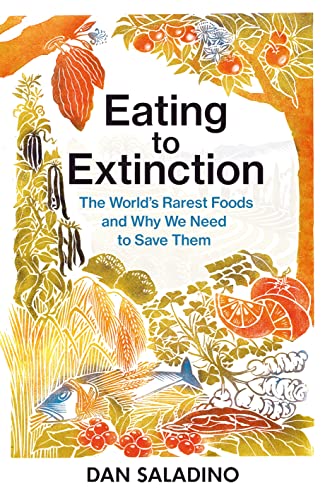
Eating to Extinction: The World’s Rarest Foods and Why We Need to Save Them – Dan Saladino
The Bookseller’s Tale – Martin Latham
The Lost Orchards: Redicovering The Forgotten Cider Apples Of Dorset – Liz Copas & Nick Poole
Nomad Century: How to Survive the Climate Upheaval – Gaia Vince
Two Lights: Walking through Landscapes of Loss and Life – James Roberts
One Place De L’Eglise: A Year Or Two In A French Village – Trevor Dolby
Notes from the Cévennes: Half a Lifetime in Provincial France – Adam Thorpe
The Serpent Coiled in Naples – Marius Kociejowski
The Lost Rainforests Of Britain – Guy Shrubsole
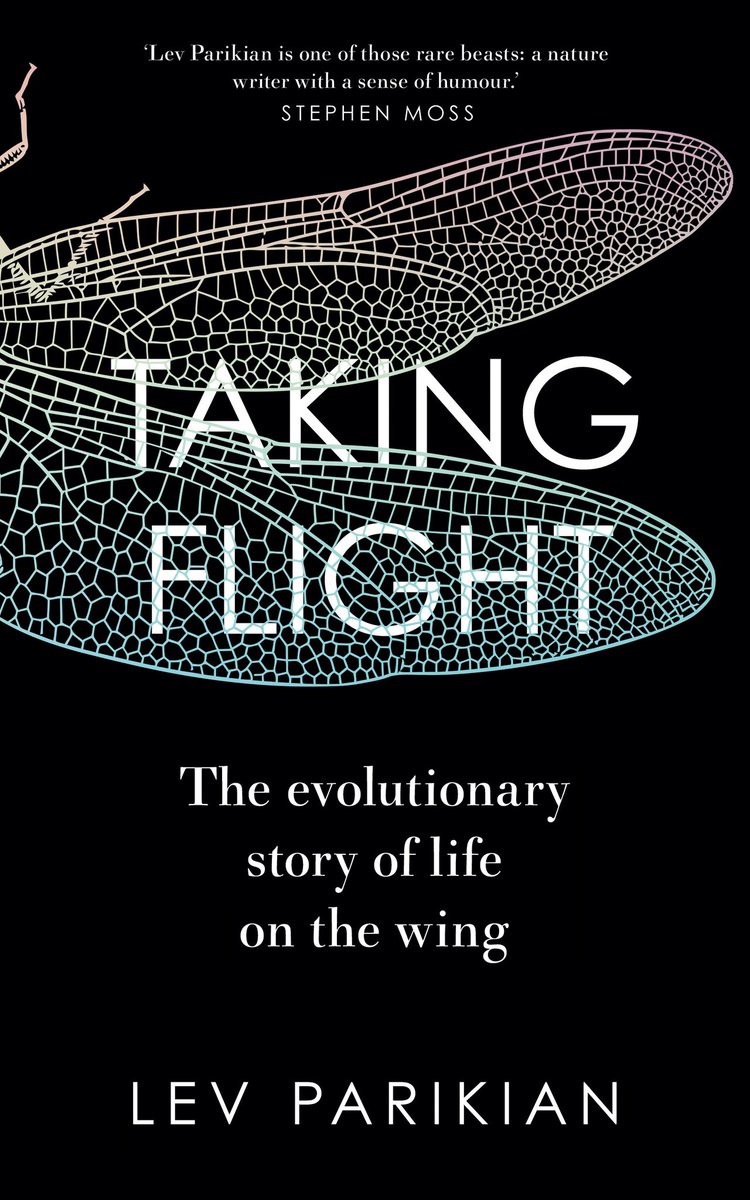
Taking Flight: A Celebration Of The Miraculous Phenomenon Of Flight – Lev Parikian
Real Dorset – Jon Woolcott
Between The Chalk And The Sea: A Journey On Foot Into The Past – Gail Simmons
Grounding: Finding Home In A Garden – Lulah Ellender
The Language of Trees: How Trees Make Our World, Change Our Minds and Rewild Our Lives – Katie Holten
Undercurrent: A Cornish Memoir Of Poverty, Nature And Resilience – Natasha Carthew
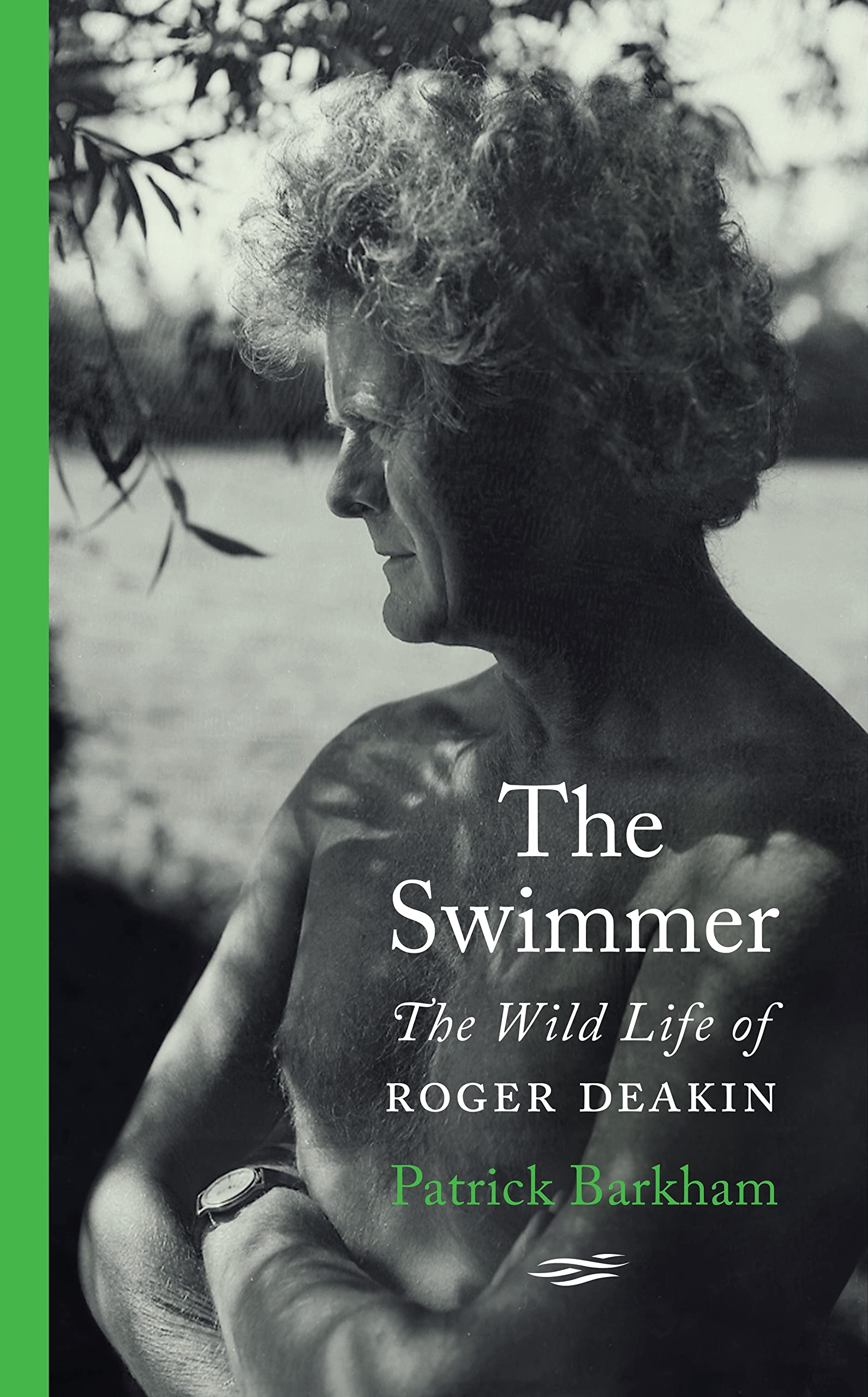
The Swimmer: The Wild Life Of Roger Deakin – Patrick Barkham
La Vie: A Year In Rural France – John Lewis-Stempel
Wild About Dorset: The Nature Diary of a West Country Parish – Brian Jackman
Ravenous: How To Get Ourselves And Our Planet Into Shape – Henry Dimbleby
High Caucasus: A Mountain Quest In Russia’s Haunted Hinterland – Tom Parfitt
Rural: The Lives Of The Working Class Countryside – Rebecca Smith
Grounded: A Journey Into The Landscapes Of Our Ancestors – James Canton
The Granite Kingdom: A Cornish Journey – Tim Hannigan
Life At Full Tilt: The Selected Writings of Dervla Murphy – Dervla Murphy, Ed. Ethel Crowley

As you can probably tell, the two genres that I like, travel and natural history feature strongly in my favourites list too.

So let me know in the comments below if you are participating in Non-fiction November.

Are there any of the books in the list above that you really like the look of?

November 2023 TBR

Does anybody know where October went? It just flew by and I nearly forgot to pull together my TBR for November. But with a bit of spreadsheet shuffling I now have one! Here it is:

Still Reading
Prophet – Helen Macdonald
Challenge Books
Bloom: From Food to Fuel, the Epic Story of How Algae Can Save Our World – Ruth Kassinger
be/longing: Understories Of Nature, Family And Home – Amanda Thomson
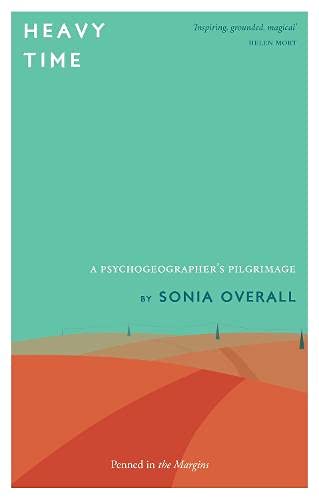
Heavy Time: A Psychogeographer’s Pilgrimage – Sonia Overall
Botanical Folk Tales of Britain and Ireland – Lisa Schneidau
Other Books
A Life in Car Design – Oliver Winterbottom
Review Books
In Sardinia: An Unexpected Journey in Italy – Jeff Biggers
Way Makers: An Anthology of Women’s Writing about Walking – Kerri Andrews
The Purple Land: An Adventure in Uruguay Or The Banda Oriental – W. H. Hudson
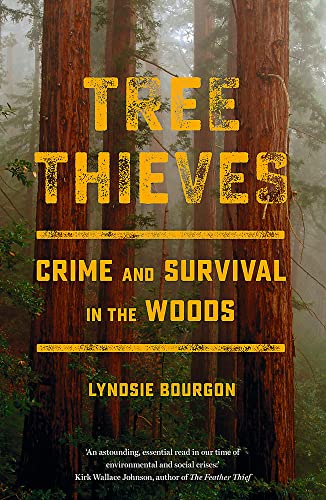
Tree Thieves: Crime and Survival in the Woods – Lyndsie Bourgon
On the Scent: Unlocking The Mysteries Of Smell – And How Losing It Can Change Our World – Paola Totaro and Robert Wainwright
Travellers Through Time: A Gypsy History – Jeremy Harte
The Possibility of Life: Searching for Kinship in the Cosmos – Jaime Green
Cry of the Wild: Tales Of Sea, Woods and Hill – Charles Foster
Moderate Becoming Good Later: Sea Kayaking the Shipping Forecast – Katie Carr & Toby Carr
Poetry
Morning In The Burned House – Margaret Atwood
Library Books
A Line Above The Sky: On Mountains And Motherhood – Helen Mort
The Ghost Of Ivy Barn – Mark Stay
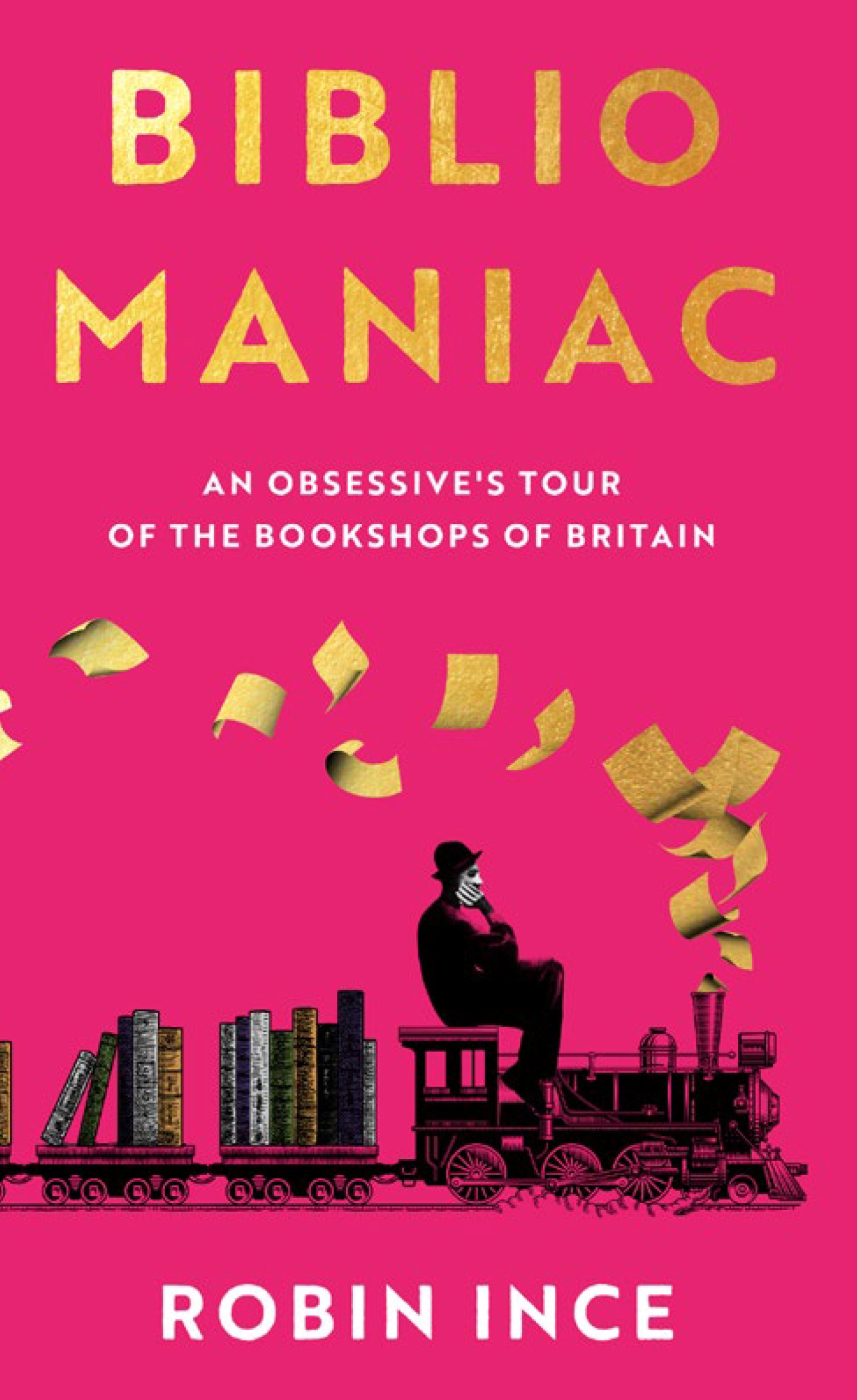
Bibliomaniac: An Obsessive’s Tour Of The Bookshops Of Britain – Robin Ince
Mustn’t forget that it is Non-fiction November, created by Book Olive, there are links and people participating all over social media. Go and find what they are reading for this month
Have you read any of these? Or do any take your fancy? Let me know in the comments below.

A Bloggers Reading Journey – Reader Dad

Today’s Bloggers Reading Journey is from Matthew Craig who blogs at Reader Dad. He describes himself as a voracious reader of dark crime, horror, sci-fi and fantasy works. The darker the better. He can be found on Twitter here . So here are his answers to my questions:

What is your earliest reading memory?

That’s a tough one. Probably reading Jill Tomlinson’s gorgeous THE OWL WHO WAS AFRAID OF THE DARK as a child.


What was your favourite childhood book? Probably Winnie-the-Pooh by A. A. Milne and E. H. Shepard. Though, more recently, I discovered Oliver Jeffers’ STUCK, while reading it to my son. It’s hilarious and totally bonkers.


What book do you remember reading at school?

I’m going to cheat here and name three that have really stayed with me, one from P7 (Robert C. O’Brien’s Z FOR ZACHARIAH) and two that were part of the GCSE English curriculum at the time (Harper Lee’s TO KILL A MOCKINGBIRD and LORD OF THE FLIES by William Golding). I return to all three at times, even now.


What was the book that changed you?

Stephen King’s SKELETON CREW, and its opening story, “The Mist”, set me on the path to becoming a lifelong fan of the man’s work. Not sure if that’s a change for the better… Who was the author who helped you discover a whole new genre? I read a lot of fantasy and science fiction as a child, then crept over the genre lines into horror when I got my hands on SKELETON KEY around about the time I hit my teens. But it was Raymond Chandler who opened my eyes to the crime genre – which is probably the one I read most in these days.


What was the last book that you bought?

“Book”? I can’t just come away from a bookshop with ONE book, so my last trip ended up netting me: A TALE OF ONE JANUARY by Albert Matz THE TREES by Percival Everett CLOSE TO HOME by Michael Magee (definitely one of my books of the year) and YELLOWFACE by Rebecca F. Luang


What was the last book you reread?

I’m currently re-reading Stephen King’s THE STAND. Before that, it was the audio version of James Herbert’s RATS.


What was the last book you couldn’t finish?

Once upon a time, I would have finished every book, if it killed me. About 10 years ago I realised that it wasn’t really worth the effort: there are too many great books out there. It’s not a frequent occurrence (3 so far this year), but it happens. The most recent was at the end of May: Ruth Kelly’s THE VILLA. My own fault: it’s about a reality TV show, which is a genre of TV that I really can’t stand. About 50 pages in I felt like I was watching an episode of Big Brother, and had to ditch it.


The book I am currently reading

CENTRAL PARK WEST by James Comey, who has the distinction of being able to say he was sacked by you-know-who in his bio.


Where do you read?

Wherever I can! Usually, sprawled across the settee between 10:30 and midnight, when my wife and son have gone to bed.


What books/genres do you turn to, to get out of a reading slump?

I can always rely on King to get me out of a slump. But sometimes I need something that requires little from me, and I’ll turn to James Patterson’s Alex Cross series or Matthew Reilly’s non-stop thrillers.


What was your last five-star read?

THE LAST SONGBIRD by Daniel Weizmann (Melville House)


How many books do you currently own?

Too many (according to my wife). If I had to guess, it’s gotta be somewhere north of 2000. Enough to fill the attic and start spilling out to other parts of the house.


What is the oldest book on your bookshelves?

If you mean the oldest in terms of age, it’s probably the clothbound copy of Joseph Conrad’s NOSTROMO dated 1919. If you mean the earliest one I bought (or, as the case is, was bought for me), it’s a now rather ragged paperback copy of SKELETON CREW.


What book did you last buy based on the cover?

SCORCHED GRACE by Margot Douaihy


What book do you always recommend?

ROOM by Emma Donoghue, or the aforementioned STUCK by Oliver Jeffers

The Granite Kingdom by Tim Hannigan

4.5 out of 5 stars

The publisher provided a copy of this, free of charge, in return for an honest review.

I have been going to Cornwall for holidays for many years now. I think that it is quite a special place, with beautiful coasts and dramatic landscapes. The side I see has always been the tourist side. However, for those that live there, it is very different. Love the county, its landscape is bleak and dramatic or small and cosy – provided you know where to go.

They are overwhelmed with tourists for half the year, and when they all depart, the income dries up and they have to scratch a living until the next season. Even if you do manage to earn a living, the chances of being able to afford a home there now are very slim. The tsunami of second homeowners with plenty of cash to spare means that most properties have been priced out of the locals price range. This is a subject that has been written about in the excellent Undercurrent by Natasha Carthew.

The place is almost an island, the border of the Tamar rises in the north of the county leaving the peninsular to only be joined at the top and because of this it doesn’t quite feel like England. How we perceive it as outsiders has been fuelled by many things including writers who have given us the image of a wild land and people.

What the county is, is an enigma.

The people best placed to answer what the county now is are the Cornish. Tim Hannigan is a Cornish man who grew up and worked there, before heading off around the world to write guidebooks and who now lives in Ireland. This gives him a unique perspective on the place, seeing it from the outside with a travel writer’s eye and knowing what makes the place tick.

How we perceive the place is very much different from the reality, and he takes time to show that as he moves through the literary landscape as he zigzags across the county on his walk. Not only do you get a journal of what happens that day to him on his walk, but he digs through the history of the places that he walks, lifting gems from history and folklore to tell us about. I thought that the folklore stretched way into the past, but it seems that it was mostly invented by two gents in the 1800s!

Not quite English, always Cornish.

I thought that this was well worth reading. Hannigan manages to describe the modern enigma that is Cornwall perfectly. The writing is really good regardless of whether he is describing the walking, the places that he passes and the people that he meets or his own hinterland. This isn’t a romantic view of the county either, you can sense his pride in the county as he tells of the parts that he loves and is fiercely critical of some of the problems that the county finds itself in. You almost certainly have a view of what Cornwall is, but it is like a kaleidoscope, with different people seeing different things from their perspectives. And in some way, it is all of those things and not at the same time.

Nature’s Wonders by Jane Adams

3.5 out of 5 stars

The publisher provided a copy of this, free of charge, in return for an honest review.

For too long we have cast aside nature, beating it into submission or just obliterating it, but the tide is turning and people are seeing that we cannot carry on like this forever as we will be deeply affected too. We are intrinsically linked to the natural world, after all, we are all part of the same ecosystem.

But where to begin? If you have been in a bookshop recently, you’ll have noticed that the range of nature books has grown exponentially over the past decade. This has been ably assisted by the Wainwright Prize. People became more aware of nature during the pandemic when they could head out on their sanctioned exercise and the sensory stimulation did them the world of good.

Nature’s Wonders is an introduction to the wonders that you can discover if you feel so inclined. The book is split into seasons and in each, Adams has selected various things to look out for in each. Some of these items are easier to find than others! So in spring, there are essays on bluebells, black caps and brimstone butterflies. In summer she suggests, chafers, foxgloves and taking the time to smell the scent of summer.

Autumn brings dramatic changes to the landscape and the essays include listening to the deer rut, the sound of the crickets in meadows and spotting the winter migrants such as fieldfares. Winter is the time for frosts and long shadows, but if you know where to look the last of winter brings out the celandines.

I really liked this book. If you are expecting in-depth guides on each of the fifty subjects that are written about in this book, then this is the wrong book to start with. Rather, it has been written to inspire people who are not sure about the natural world to take the time to go and find the things written about within and hopefully use it as a stepping stone to your own discoveries.

Between The Chalk And The Sea by Gail Simmonds

4 out of 5 stars

The act of pilgrimage was stopped in 1538 when Henry VIII banned it as he crushed the Catholic church just so he could marry someone he fancied. The act of walking as part of people’s faith was gone in this country. It still happens in Europe, there are many well-known routes that are still walked, even to this day.

The discovery of a map in the Bodleian Library showed a faint red line linking together the towns and villages of a route from Southampton to Canterbury. It had been long forgotten but was thought to be the recommended route people walked to visit the shrine of Thomas Becket. Given the almost complete lack of knowledge, the decision was taken to rename it the Old Way.

Having learnt about this pilgrim route, it was something that Gail Simmonds really wanted to do. It was walking over her favourite landscape, chalk downland and it was something that she felt that she wanted to undertake alone.

This is the story of her journey.

I really liked this travelogue of Simmonds’s modern pilgrimage from Southampton to Canterbury. It is split into four parts due to the various restrictions and lockdowns that took place at the time (remember those days?). This was more than a five-hundred-year-old route through, the landscape she is walking through is thousands of years old and if you know how and where to look, its secrets can be revealed. With her background in medieval history research into a locale is something that she is an expert at and in my opinion, Simmonds manages to get the right balance between the travel and history. Her writing feels that you are accompanying her on this walk rather than being given a list of things that happen on her journey. Can highly recommend this.

September 2023 Review

September whizzed by as usual and I only managed to read 14 books for some reason. Not quite sure what happened as I started off really well too. So here they are along with the stats and the vast quantity of books that I bought…

Books Read

Wasteland – Oliver Franklin-Wallis – 4 Stars

The Lost Whale – Hannah Gold – 3 Stars

An Almost Impossible Thing – Fiona Davidson – 3.5 Stars

Some Of Us Just Fall – Polly Atkin – 3.5 Stars

Follow This Thread – Henry Eliot – 3.5 Stars

The Military Orchid – Jocelyn Brooke – 3.5 Stars

The Haw Lantern – Seamus Heaney – 3 Stars

Serious Concerns – Wendy Cope – 3.5 Stars

Follow The Money – Paul Johnson – 3.5 Stars

Reboot – Elaine Kasket – 3.5 Stars

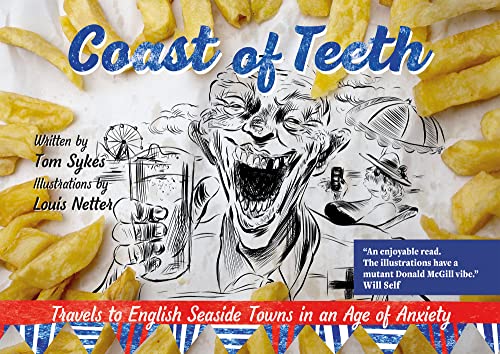
Coast of Teeth – Tom Sykes – 4 Stars

Waypoints – Robert Martineau – 4 Stars

Wind – Louise M Pryke – 3.5 Stars


Book(s) Of The Month

Ravenous – Henry Dimbleby – 4.5 Stars


Top Genres

Fiction – 27

Natural History – 18

Travel – 18

Poetry – 13

Memoir – 10

History – 6

Science Fiction – 6

Fantasy – 6

Art – 4

Environmental – 4


Top Publishers

Faber & Faber – 11

Penguin – 6

Little Toller – 6

Bloomsbury – 5

Simon & Schuster – 5

Jonathan Cape – 4

Elliott & Thompson – 3

Allen Lane – 3

William Collins – 3

Headline – 3


Review Copies Received

The Lure of Atlantis: Strange Tales from the Sunken Continent – Ed. Michael Wheatley

The Lost Flock: Rare Wool, Wild Isles and One Woman’s Journey to Save Scotland’s Original Sheep – Jane Cooper

The Christian Watt Papers: Memoirs of a Fraserburgh Fishwife – Christian Watt, Ed. David Fraser

The Narrow Smile: A Journey back to the Northwest Frontier – Peter Mayne

Nature Tales for Winter Nights – Ed. Nancy Campbell

Politics, But Better: An A – Z Guide to Creating a More Hopeful Future – Tatton Spiller

Human Being: 12 Vital Skills We’re Losing to Technology and How to Reclaim Them – Graham Lee

Yew – Fred Hageneder

Life At Full Tilt: The Selected Writings of Dervla Murphy – Dervla Murphy, Ed. Ethel Crowley


Library Books Checked Out

Rural: The Lives Of The Working Class Countryside – Rebecca Smith

High Caucasus: A Mountain Quest In Russia’s Haunted Hinterland – Tom Parfitt

The Bridleway: How Horses Shaped The British Landscape – Tiffany Francis-Baker

Prophet – Helen Macdonald

Walking The Bones Of Britain: A 3 Billion Year Journey From The Outer Hebrides To The Thames Estuary – Christopher Somerville

Be a Birder: The joy of birdwatching and how to get started – Hamza Yassin


Books Bought

A Legacy Of Spies – John Le Carré – Signed

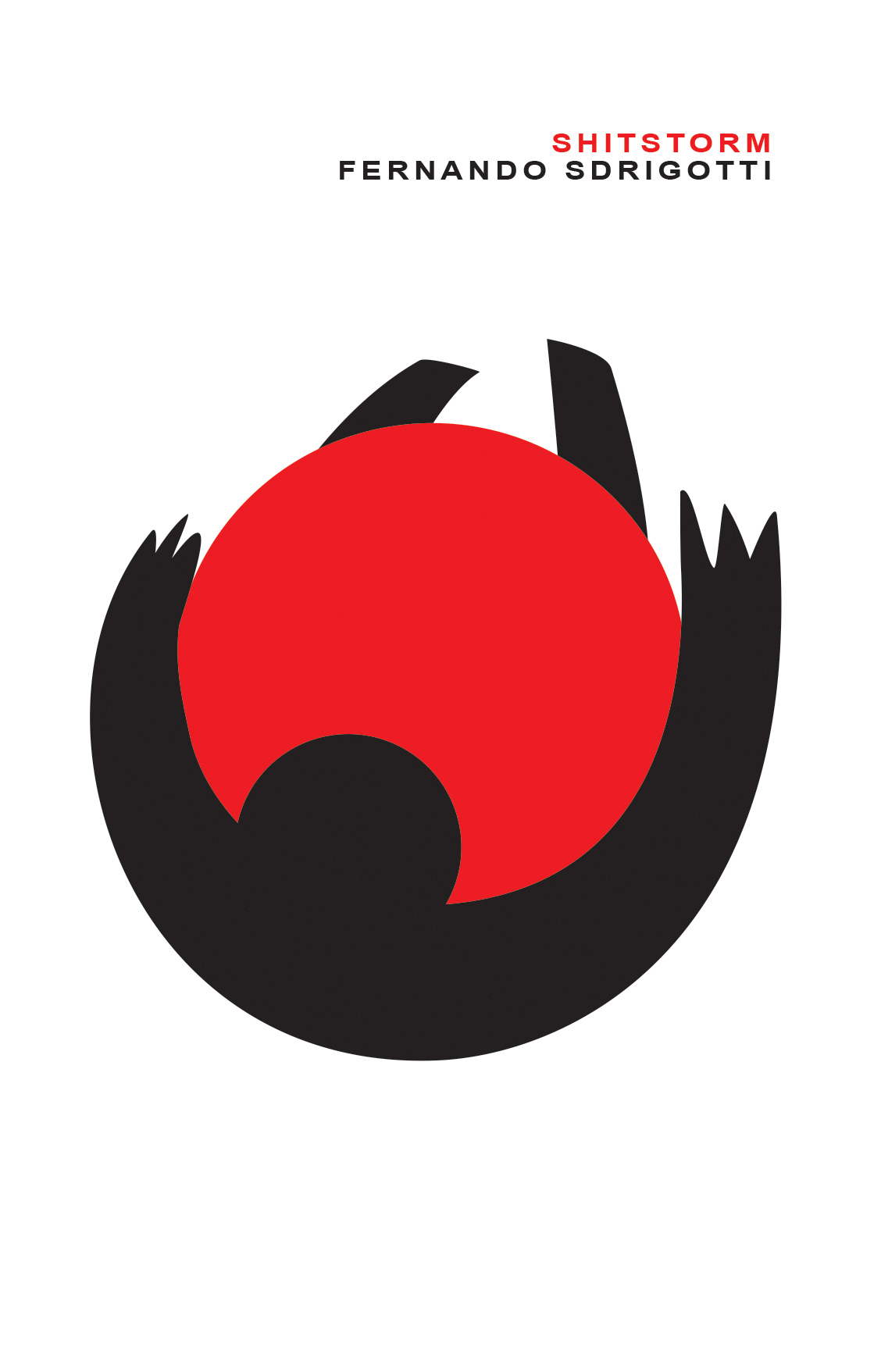
Shitstorm – Fernando Sdrigotti

Red Smoking Mirror – Nick Hunt –

Still Life in Milford: Poems – Thomas Lynch – Signed

Penguin Modern Poets, Series II #12 – Helen Dunmore, Jo Shapcott & Matthew Sweeney – Signed

Poetry on the Buses – Ed. Valerie Belsey & Candy Neubert –  – Signed

The Hero and the Girl Next Door – Sophie Hannah – Signed

Selling Manhattan – Carol Ann Duffy – Female – Signed

Foothold – Pam Zinnemann-Hope – Signed

Raw – Patience Agbabi – Signed

Penguin Modern Poets, Series II #9 – John Burnside, Robert Crawford & Kathleen Jamie

Drysalter – Michael Symmons Roberts

Selected Poems – Matthew Sweeney

A Smell Of Fish – Matthew Sweeney

The Rings Of Saturn: An English Pilgrimage

Chasing the Dram: Finding the Spirit of Whisky – Rachel McCormack –

Secret Places of West Dorset – Louise Hodgson

The Island Farmers – R. M Lockley

The Fossil Woman: A Life of Mary Anning – Tom Sharpe – Signed

Beyond the Sky and the Earth: A Journey into Bhutan – Jamie Zeppa

Discover Dorset: Fossils – Richard Edmonds

Travels in a Strange State – Josie Dew

As the Women Lay Dreaming – Donald S. Murray

The Gran Tour: Travels with my Elders – Ben Aitken

Megaliths and Their Mysteries: A Guide to the Standing Stones of Europe – Alastair Service & Jean Bradbery

A Second Chance at Eden – Peter F. Hamilton

Empireland: How Imperialism has Shaped Modern Britain – Sathnam Sanghera – Male

Clea – Lawrence Durrell – Male

Footprints: In Search of Future Fossils – David Farrier

The Old Straight Track: Its Mounds, Beacons, Moats, Sites and Mark Stones – Alfred Watkins

The Farmer’s Wife: My Life in Days – Helen Rebanks

The Seed Detective: Uncovering the Secret Histories of Remarkable Vegetables – Adam Alexander

Walking With Nomads – Alice Morrison

Walden – Henry David Thoreau

Dorset Folk Tales – Tim Laycock – Male

Somerset Folk Tales – Sharon Jacksties

On the Slow Train Again: Twelve Great British Railway Journeys – Michael Williams

Round Ireland with a Fridge – Tony Hawks – Signed

Hothouse – Brian W. Aldiss

The Private Life of the Hare – John Lewis-Stempel

Tout Sweet: Hanging Up my High Heels for a New Life in France – Karen Wheeler

Pedalling to Hawaii: A Human-Powered Odyssey – Stevie Smith

Rowing After the White Whale: A Crossing of the Indian Ocean by Hand – James Adair

Bringing Down Goliath: How Good Law Can Topple the Powerful – Jolyon Maugham  – Signed

The Megalithic European: The 21st Century Traveller in Prehistoric Europe – Julian Cope


Any that you have read from that list – or want to now? Let me know in the comments below


Wind by Louise M. Pryke

3.5 out of 5 stars

The publisher provided a copy of this, free of charge, in return for an honest review.

Of all the weathers that we experience, wind is the only one that we can hear and feel but not directly. I do think I can see the wind when I see trees being buffeted, or crows dancing in the wind. It is caused by the movement of air from one part of the planet to another, flowing from high-pressure points to low-pressure points in the search for equilibrium. Even though the air never stops moving, there are days when it can be utterly still and as blissful as they are surreal.

This flow of air around the planet affects everything. It creates waves, erodes mountains, moves vast quantities of dust from Africa to the Amazon and has created and formed economies and human culture. Along with earthquakes and volcanoes, winds in particular forms can be the most destructive things that we have on this planet. As a hurricane or typhoon, they can flatten buildings, toss cars in the air like confetti and as tornadoes, obliterate everything that they touch.

Humans have understood this phenomenon for millennia now. Wind has pressed it’s way into folklore and culture and has been used in warfare and has driven people mad.

I really liked this, the cultural history of wind is a wide-ranging subject that Pryke has managed to condense into this fascinating book. The prose feels authoritative without reading like an academic book. It is really nicely produced with high-quality pictures making it a fine addition to the Earth Series of books.


October 2023 TBR

I can’t believe that it is already October. It dawned on me on the 29th of September that I hadn’t even thought about my TBR for this month, even though I had created an outline plan for the final third of the year, so rapidly pulled this together last night. So here they are:


Still Reading

High Caucasus: A Mountain Quest In Russia’s Haunted Hinterland – Tom Parfitt


Challenge Books

Bloom: From Food to Fuel, the Epic Story of How Algae Can Save Our World – Ruth Kassinger

be/longing: Understories Of Nature, Family And Home – Amanda Thomson

Rocks and Rain, Reason and Romance – David Howe

Heavy Time: A Psychogeographer’s Pilgrimage – Sonia Overall


Review Books

The Granite Kingdom: A Cornish Journey – Tim Hannigan

In Sardinia: An Unexpected Journey in Italy – Jeff Biggers

Way Makers: An Anthology of Women’s Writing about Walking – Kerri Andrews

The Purple Land: An Adventure in Uruguay Or The Banda Oriental – W. H. Hudson

Tree Thieves: Crime and Survival in the Woods – Lyndsie Bourgon

Swan: Portrait of a Majestic Bird, from Mythical Meanings to the Modern Day – Dan Keel

Nature’s Wonders – Jane V. Adams

Life At Full Tilt Ed. Ethel Crowley


Other Books

A Life in Car Design- Oliver Winterbottom

All My Wild Mothers: A Memoir Of Motherhood, Loss And An Apothecary Garden- Victoria Bennet

Grounded: A Journey Into The Landscapes Of Our Ancestors – James Canton

Rural: The Lives Of The Working Class Countryside – Rebecca Smith

The Bridleway: How Horses Shaped The British Landscape – Tiffany Francis-Baker

Am I Normal?: The 200-Year Search For Normal People (And Why They Don’t Exist) – Sarah Chaney


Poetry

Wintering Out- Seamus Heaney

Off the Shelf: A Celebration of Bookshops in Verse- Carol Ann Duffy

The Girl Who Forgets How To Walk – Kate Davis

Any that you have read or like the sound of, let me know in the comments below

« Older posts Newer posts »

© 2026 Halfman, Halfbook

Theme by Anders NorénUp ↑